Ingredients
Method
Preparation
- Start by preparing a large mixing bowl — this is where your flavorful, spiced dough comes together.
- Add wheat flour and fine semolina (rava) into the bowl. The semolina is optional but highly recommended as it gives the pooris a light crisp texture and helps them puff better.
- Now add all the spices — turmeric, chilli powder, cumin powder, garam masala, ajwain, crushed kasuri methi, and salt. Mix everything really well so the flour is evenly coated with the spices and smells aromatic.
- Next, add the boiled and mashed potatoes. Use your hands or a spoon to combine them thoroughly with the flour mixture. The dough will start to feel slightly crumbly at this stage, which is completely normal.
- Slowly add water little by little and begin kneading. Be patient here — the potatoes already release moisture, so avoid adding too much water at once. You want a smooth, tight, and firm dough, not a soft roti dough.
Step 1: Prepare ingredients
- Start by gathering all ingredients in one place so the process is smooth. Boil the potatoes in advance, peel them, and mash them while still slightly warm for best texture.
Step 2: Mix dry ingredients
- In a large mixing bowl, add wheat flour and semolina. Mix well so the semolina is evenly distributed.
Step 3: Add spices for flavor
- Add turmeric, chilli powder, cumin powder, garam masala, ajwain, crushed kasuri methi, and salt. Mix thoroughly so the spices are evenly combined with the flour.
Step 4: Add mashed potatoes
- Add the mashed potatoes into the flour mixture. Break them up and mix using your hands so they blend evenly with the flour and spices.
Step 5: Start kneading
- Slowly add water little by little and begin kneading. Since potatoes already contain moisture, add water carefully to avoid a soft dough.
Step 6: Adjust dough consistency
- Knead until you get a firm, tight dough. It should not be too soft like roti dough. A slightly stiff dough helps the pooris puff properly.
Step 7: Add oil and smoothen
- Add oil to the dough and knead again for a few minutes. This makes the dough smoother and helps with puffing while frying.
Step 8: Rest the dough
- Cover the dough and let it rest for 10–15 minutes. This helps the gluten relax and makes rolling easier.
Step 9: Divide and shape
- Divide the dough into small equal portions. Roll each portion into a smooth ball.
Step 10: Roll the pooris
- Roll each ball into a small, slightly thick circle. Avoid rolling too thin, as thicker dough helps the poori puff up nicely.
Step 11: Heat oil properly
- Heat oil in a deep pan or kadhai on medium-high flame. The oil should be hot enough that a small piece of dough rises immediately.
Step 12: Test oil temperature
- Drop a tiny piece of dough into the oil. If it rises quickly without burning, the oil is ready.
Step 13: Fry the pooris
- Gently slide one rolled poori into the hot oil. Do not overcrowd the pan.
Step 14: Puffing technique
- Lightly press the center of the poori with a slotted spoon and splash hot oil over it. This helps it puff up completely.
Step 15: Flip and cook evenly
- Once puffed and slightly golden, flip the poori and cook the other side until crisp and golden brown.
Step 16: Drain excess oil
- Remove the poori and place it on tissue paper or a wire rack to drain excess oil.
Step 17: Repeat process
- Repeat the same process with the remaining dough balls.
Step 18: Serve hot
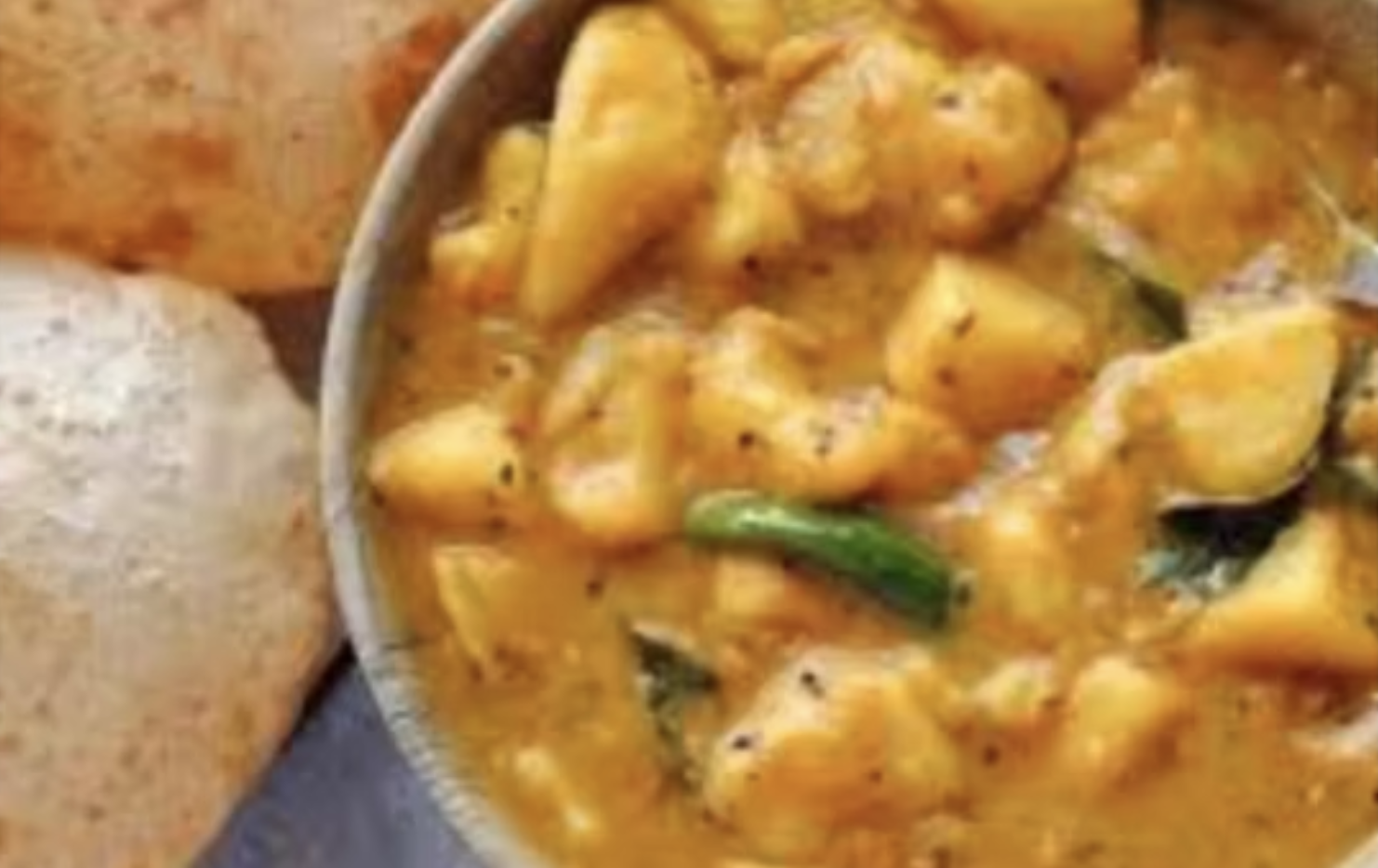
- Serve immediately while hot and puffed. Best enjoyed with aloo sabzi, pickle, or curd for a complete meal.
- Cover the dough and let it rest for 10–15 minutes (optional but recommended).
- Now divide the dough into small equal-sized balls. Roll each ball gently into a slightly thick circle — not too thin, or the poori won’t puff properly.
- Heat oil in a deep pan or kadhai. Once the oil is hot, carefully slide one rolled poori into it.
- Immediately press lightly in the center and splash hot oil over it using a spoon — you’ll see it start to puff up like a balloon.
- Flip and fry the other side until it turns golden brown and crisp.
- Remove and place on paper towels to drain excess oil.
- Serve hot immediately for the best taste and texture.
Tips for Perfect Aloo Poori
- Keep the dough firm and tight. A soft dough will not allow the pooris to puff properly.
- Add water slowly because potatoes already add moisture to the dough.
- Resting the dough for 10–15 minutes helps it become smoother and easier to roll.
- Roll pooris evenly and slightly thick. Thin pooris won’t puff well.
- Make sure the oil is hot enough before frying, but not smoking hot.
- Always fry one poori at a time for best puffing and even cooking.
- Use a gentle press in the center while frying to encourage full puffing.
Pairing Ideas
- Aloo Poori tastes best with simple, homestyle sides such as:
- Spicy aloo sabzi (classic combination)
- Jeera aloo
- Tangy mango pickle or lemon pickle
- Plain yogurt or boondi raita
- Chai for a comforting breakfast-style pairing
Additional Notes
- You can add a pinch of sugar if you prefer a slight balance of spice and flavor.
- Semolina (rava) is optional but highly recommended for a light crisp texture.
- Kasuri methi adds a subtle aroma, but you can skip it if unavailable.
- This dough cannot be stored for too long because potatoes may cause slight fermentation. It is best used the same day.
Things to Keep in Mind
- Avoid over-kneading with too much water; it can make pooris flat instead of puffed.
- Oil temperature is key — too low and pooris absorb oil, too high and they brown too quickly.
- Roll all pooris evenly to ensure uniform frying.
- Always serve immediately for the best taste and texture — pooris lose crispness over time.
- If cooking in batches, keep rolled pooris covered with a damp cloth to prevent drying.