Discover the Secret: Why Does Homemade Food Always Taste Better Than Takeout?
Have you ever wondered why a meal you cook at home often tastes better than the same dish ordered from a restaurant or takeout? It’s a question many food lovers ask, especially when convenience tempts us to skip the kitchen. The answer goes beyond just freshness or ingredients. Let’s explore the reasons why homemade food tends to win over takeout every time, and maybe you’ll feel inspired to cook your next meal instead of ordering in.
The Control You Have Over Ingredients
When you cook at home, you decide exactly what goes into your food. This control means you can choose fresh, high-quality ingredients without preservatives or additives. Restaurants and takeout meals often rely on ingredients that can last longer or be prepared quickly, which sometimes affects flavor and texture.
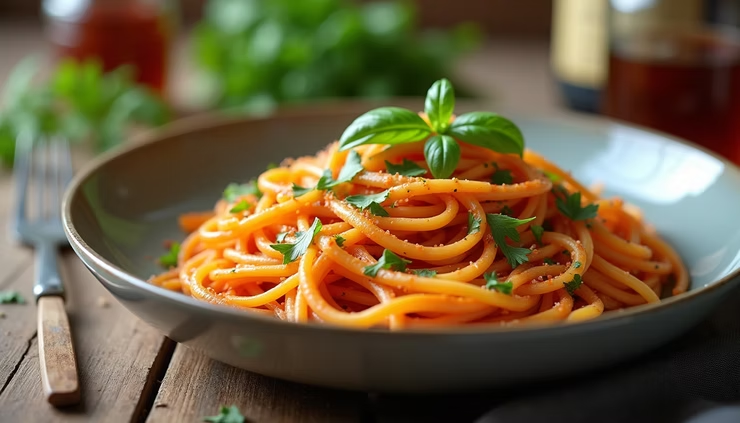
For example, when making a tomato sauce at home, you can use ripe tomatoes, fresh garlic, and herbs picked from your garden. This freshness creates a depth of flavor that’s hard to match with store-bought sauces or takeout versions that might use canned tomatoes or flavor enhancers.
Freshness Makes a Big Difference
Freshness is a key factor in taste. Homemade meals are usually eaten soon after preparation, preserving the natural flavors and textures of the ingredients. Takeout food, on the other hand, often sits in containers for a while before you eat it. This wait can cause food to lose heat, become soggy, or mix flavors in ways that dull the taste.
Think about crispy fried chicken. At home, you can enjoy it straight from the fryer, hot and crunchy. Takeout chicken might arrive warm but less crispy because of steam trapped in packaging. This difference in texture changes the entire eating experience.
Customization to Your Taste
One of the best parts of cooking at home is tailoring dishes to your preferences. Whether you like your curry spicy or mild, your salad with extra crunch, or your pasta al dente, you control every detail. Takeout menus offer limited options, and chefs prepare food for many people, not just you.
If you want to reduce salt, avoid certain allergens, or add extra vegetables, homemade food lets you do that easily. This customization often leads to meals that satisfy your cravings better than generic takeout options.
Emotional Connection and Satisfaction
Cooking can be a creative and relaxing activity. Many people find joy in preparing meals, experimenting with recipes, and sharing food with loved ones. This emotional connection enhances the eating experience, making homemade food taste better simply because it’s made with care and attention.
When you cook, you’re involved in every step, from chopping vegetables to seasoning and plating. This involvement creates a sense of accomplishment and pride that adds to the meal’s enjoyment.
Health Benefits That Influence Taste
Homemade meals often have fewer unhealthy fats, sugars, and preservatives compared to takeout. Healthier food can taste better because your palate is not overwhelmed by artificial flavors or excessive salt. Over time, eating fresh and balanced meals can improve your taste buds’ sensitivity, making natural flavors more enjoyable.
For example, roasting vegetables at home with a bit of olive oil and herbs brings out their natural sweetness and earthiness. Takeout vegetable sides might be steamed or fried with heavy sauces, masking their true flavor.
The Role of Presentation and Atmosphere
How food looks and where you eat it affects how it tastes. At home, you can plate your meal attractively and eat in a comfortable, familiar setting. This atmosphere can make food more appealing and enjoyable.
Takeout meals often come in disposable containers that don’t showcase the food well. Eating in front of a screen or on the go can distract from the flavors and reduce satisfaction.
Cost and Value Perception
Homemade food usually costs less than takeout, especially when cooking in batches or using pantry staples. When you invest time and money in preparing a meal, you tend to appreciate it more. This appreciation can make the food taste better because you value the effort behind it.
Ordering takeout frequently can also lead to food fatigue, where meals start to feel repetitive or less exciting. Cooking at home encourages variety and creativity, keeping your meals interesting.
Examples That Show the Difference
- Pizza: Homemade pizza lets you choose your dough thickness, sauce recipe, and toppings. You can bake it to your preferred crispness. Takeout pizza might use standard dough and toppings, and delivery time can affect freshness.
- Stir-fry: At home, you control the cooking time, ensuring vegetables stay crisp and meat is tender. Takeout stir-fry might be overcooked or soggy from sitting in containers.
- Soups: Homemade soups simmer slowly, allowing flavors to develop fully. Takeout soups are often reheated quickly, which can flatten the taste.
Tips to Make Homemade Food Taste Even Better
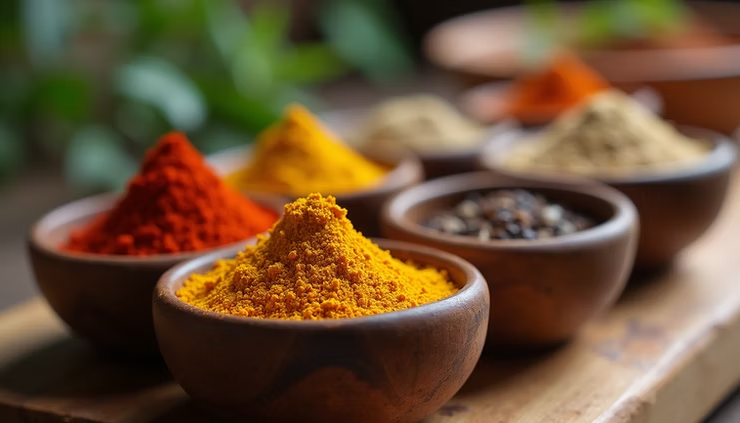
- Use fresh herbs and spices to boost flavor.
- Cook in small batches to maintain freshness.
- Experiment with cooking techniques like roasting, grilling, or sautéing.
- Taste as you go to adjust seasoning.
- Use quality cookware that distributes heat evenly.
Why Takeout Still Has Its Place
While homemade food often tastes better, takeout offers convenience and variety that can’t be beaten sometimes. It’s great for busy days, social gatherings, or trying new cuisines without the effort. The key is balancing convenience with the benefits of cooking at home.