Transform Your Grocery List: Practical Tips for Healthy Eating on a Budget
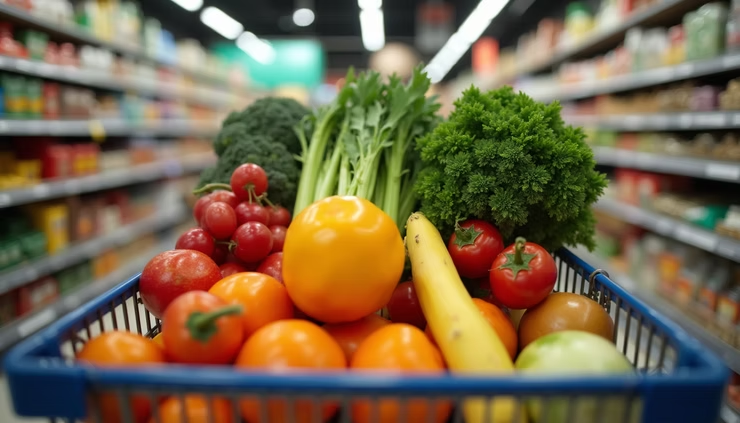
Eating healthy doesn’t have to drain your wallet. Many people believe that nutritious food always costs more, but with some smart planning and simple habits, you can enjoy wholesome meals without overspending. I’ve learned this firsthand by adjusting my grocery shopping habits and discovering practical ways to stretch my food budget while still eating well. If you want to eat better without breaking the bank, here are some tips that really work.
Plan Your Meals Before You Shop
One of the biggest money-wasters is buying food without a plan. I used to grab whatever looked good or was on sale, but that often led to wasted food and extra trips to the store. Now, I spend a few minutes each week planning meals based on what’s in season and what’s on sale. This helps me create a focused grocery list and avoid impulse buys.
Try these steps:
- Check your pantry and fridge first to use what you already have.
- Pick recipes that share ingredients to reduce waste.
- Choose meals that are easy to prepare and store well for leftovers.
For example, if you plan to make a vegetable stir-fry one night, you can use leftover veggies in an omelet or soup the next day. This way, you get more meals from fewer ingredients.
Shop Seasonal and Local Produce
Seasonal fruits and vegetables are usually cheaper and fresher. When I started buying produce that’s in season, I noticed my grocery bills dropped and the food tasted better. Local farmers’ markets or community-supported agriculture (CSA) programs are great places to find affordable, fresh produce.
Here’s why seasonal shopping helps:
- Prices drop when supply is high.
- Food is harvested at peak ripeness, so it’s more nutritious.
- You support local farmers and reduce environmental impact.
If you’re unsure what’s in season, many websites and apps list seasonal produce by region. This makes it easier to plan meals around what’s affordable and fresh.
Buy in Bulk for Staples
Certain pantry staples like rice, beans, oats, and nuts can be bought in bulk at a lower cost per unit. I started buying these items in larger quantities and storing them properly, which saved me money over time. Bulk buying works best for non-perishable or long-lasting foods.
Tips for buying in bulk:
- Use airtight containers to keep food fresh.
- Only buy what you can realistically use before it spoils.
- Compare unit prices to ensure you’re getting a good deal.
For example, a 5-pound bag of dried beans often costs less than several small cans, and you can cook exactly the amount you need.
Cook at Home More Often
Eating out or buying pre-packaged meals can quickly add up. Cooking at home gives you control over ingredients and portion sizes, which is better for your health and your budget. I found that simple recipes with a few ingredients can be both delicious and affordable.
Start with easy meals like:
- One-pot pasta dishes with vegetables.
- Stir-fries using frozen or fresh veggies and a protein.
- Homemade soups and stews that stretch ingredients.
Batch cooking and freezing leftovers also save time and money. When I prepare meals in advance, I avoid the temptation of takeout on busy days.

Use Frozen and Canned Foods Wisely
Frozen and canned fruits and vegetables can be just as nutritious as fresh options and often cost less. I keep a variety of frozen veggies and canned beans in my pantry for quick meals. These items have a long shelf life, so they reduce waste and make meal prep easier.
Here’s how to choose and use them:
- Look for options without added salt, sugar, or sauces.
- Use frozen vegetables in stir-fries, casseroles, or smoothies.
- Rinse canned beans to reduce sodium before cooking.
Frozen berries are great for oatmeal or yogurt, and canned tomatoes can be the base for many sauces and soups.
Shop Smart with Store Brands and Sales
Store brands often offer the same quality as name brands but at a lower price. I switched to store-brand staples like milk, yogurt, and canned goods and noticed significant savings. Also, keep an eye on sales and coupons for items you regularly use.
Ways to shop smart:
- Compare prices per unit, not just the package price.
- Stock up on non-perishable items when they’re on sale.
- Use apps or store loyalty programs to find discounts.
Avoid buying things just because they’re on sale unless you know you will use them. This helps prevent food waste and unnecessary spending.
Grow Your Own Herbs and Vegetables
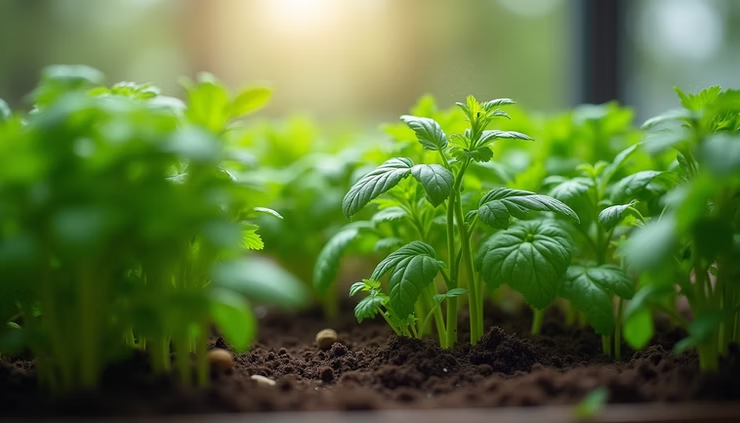
If you have space, growing your own herbs or some vegetables can cut costs and add fresh flavors to your meals. I started with a small windowsill herb garden, which saved me from buying fresh herbs that often go bad before I use them.
Easy plants to grow indoors or in small spaces:
- Basil, parsley, and cilantro
- Cherry tomatoes
- Leafy greens like spinach or lettuce
Even a few pots on a balcony or windowsill can make a difference in your grocery budget and meal quality.
Avoid Processed and Convenience Foods
Processed foods often cost more and contain unhealthy ingredients. I found that cutting back on snacks, sugary drinks, and ready-made meals not only saved money but also improved my energy and digestion. Instead, focus on whole foods that you can prepare yourself.
Simple swaps to try:
- Replace chips with air-popped popcorn or nuts.
- Drink water or homemade infused water instead of soda.
- Make your own salad dressings and sauces.
These small changes add up and help you eat cleaner without spending extra.
Use Leftovers Creatively
Throwing away leftovers is like throwing away money. I make it a habit to repurpose leftovers into new meals. For example, leftover roasted vegetables can become a filling for wraps or a topping for pizza.
Ideas for leftovers:
- Turn cooked grains into fried rice.
- Use extra cooked chicken in salads or sandwiches.
- Blend overripe fruit into smoothies or baking.
This approach reduces waste and stretches your grocery budget further.
Eating healthy on a budget is about making thoughtful choices and building habits that work for your lifestyle. By planning meals, shopping smart, cooking at home, and using leftovers, you can enjoy nutritious food without overspending. Start small with one or two tips and see how your grocery list transforms. Your wallet and your body will thank you.