Essential Kitchen Organization Hacks for Indian Homes That Transform Your Space
Indian kitchens are vibrant hubs of activity, filled with a variety of spices, utensils, and cookware. However, the abundance of ingredients and tools can quickly lead to clutter and chaos. Organizing an Indian kitchen effectively not only saves time during cooking but also enhances the overall cooking experience. This post shares practical kitchen organization hacks tailored for Indian homes, focusing especially on spice storage solutions that actually work.
Maximize Vertical Space with Wall-mounted Racks
Indian kitchens often have limited counter and cabinet space. Using vertical space smartly can free up valuable areas for cooking and preparation.
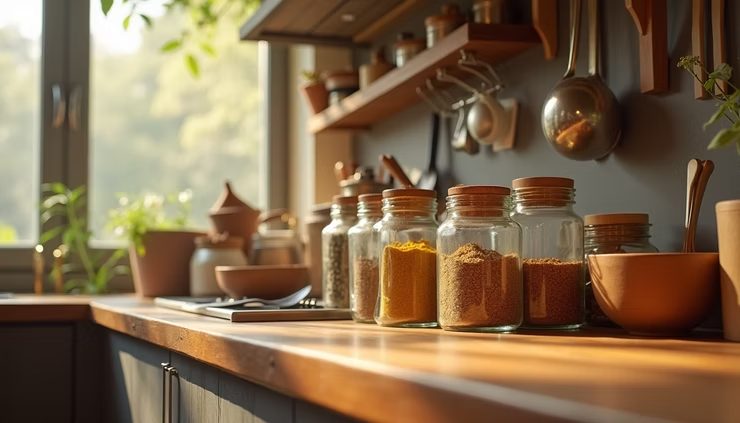
- Install wall-mounted spice racks: These racks keep your spices visible and accessible. Choose racks with clear jars or labeled containers to quickly find what you need.
- Use magnetic strips: Attach magnetic strips on walls or inside cabinet doors to hold metal spice tins or small containers.
- Hang utensils: Hooks or pegboards on walls can hold frequently used utensils, freeing drawer space.
This approach keeps your kitchen tidy and ensures that essential spices and tools are always within reach.
Use Airtight Containers for Spice Storage
Spices lose their aroma and flavor quickly when exposed to air and moisture. Airtight containers preserve freshness and prevent contamination.
- Glass jars with airtight lids: These are ideal for storing whole and ground spices. Transparent jars help identify contents without opening.
- Label containers clearly: Use waterproof labels with the spice name and purchase date to track freshness.
- Group spices by usage: Keep daily-use spices like turmeric, cumin, and coriander in one section, and less frequently used ones in another.
This system reduces waste and keeps your spice collection organized.
Create a Dedicated Spice Drawer or Cabinet
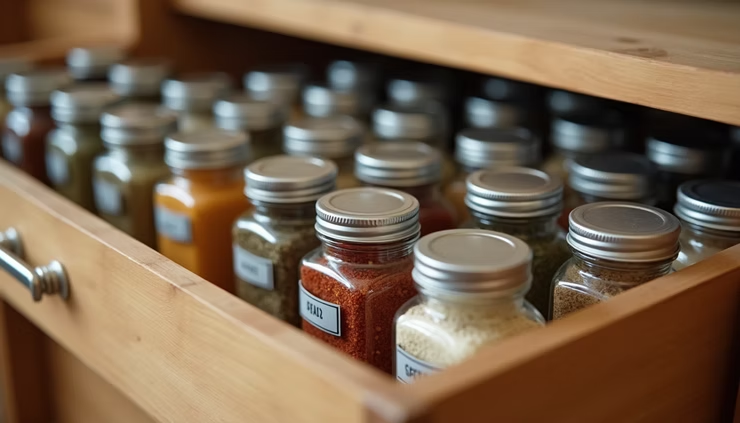
If countertop space is limited, dedicate a drawer or a small cabinet exclusively for spices.
- Use tiered organizers: Tiered trays or spice racks inside drawers help display spices clearly without stacking.
- Arrange spices alphabetically or by cuisine: This speeds up cooking by making it easier to locate specific spices.
- Include small measuring spoons: Keep a set of spoons in the drawer for quick spice measurement.
A dedicated spice space prevents clutter and keeps your kitchen efficient.
Optimize Cabinet Space with Pull-out Shelves
Cabinets in Indian kitchens often become catch-alls for pots, pans, and spices. Pull-out shelves improve accessibility and organization.
- Install pull-out spice racks: These slim racks fit inside cabinets and slide out for easy access.
- Use adjustable shelves: Adjustable shelving allows customization based on the height of spice jars and containers.
- Group similar items: Store spices, oils, and condiments together for convenience.
Pull-out shelves reduce the need to dig through clutter and keep your kitchen organized.
Use Multi-purpose Containers for Bulk Storage
Indian cooking often requires bulk quantities of staples like rice, lentils, and flour. Proper storage keeps these ingredients fresh and the kitchen tidy.
- Stackable airtight containers: These save space and keep grains and pulses free from pests.
- Label containers with expiry dates: Helps track freshness and avoid spoilage.
- Use scoops or measuring cups: Keep these inside or near containers for easy portioning.
Bulk storage containers reduce mess and make cooking preparation smoother.
Incorporate Spice Boxes for Traditional Storage
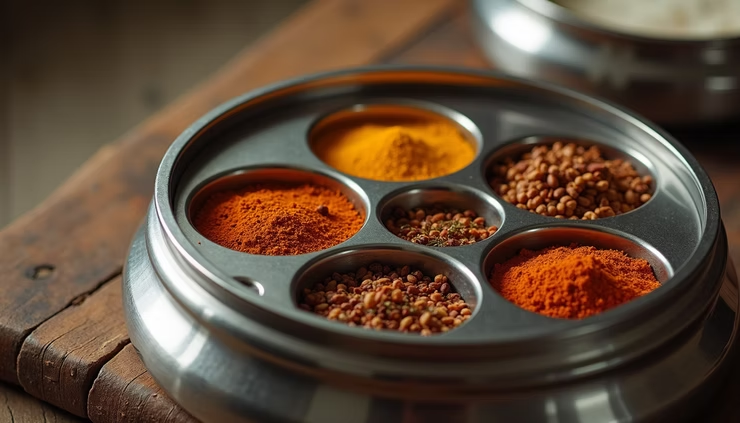
Many Indian homes use traditional spice boxes (masala dabba) to store essential spices in one place.
- Choose stainless steel or airtight masala dabbas: These keep spices fresh and organized.
- Customize compartments: Use boxes with adjustable compartments to fit your spice collection.
- Keep the box near the cooking area: This saves time and keeps your most-used spices handy.
Masala dabbas are a compact and culturally familiar way to organize spices.
Label Everything Clearly
Clear labeling is key to maintaining an organized kitchen.
- Use waterproof labels: These withstand kitchen humidity and spills.
- Include spice name and purchase date: Helps track freshness.
- Color-code labels: Assign colors to spice types (e.g., red for chili powders, yellow for turmeric) for quick identification.
Labels reduce confusion and speed up cooking.
Keep Frequently Used Items Within Reach
Arrange your kitchen so that daily essentials are easy to access.
- Place spices and utensils near the stove: This minimizes movement while cooking.
- Use countertop organizers: Small racks or trays can hold salt, pepper, and cooking oils.
- Store rarely used items higher or in less accessible spots: This frees prime space for essentials.
This setup improves workflow and reduces clutter.
Maintain Regular Decluttering and Cleaning
An organized kitchen requires ongoing effort.
- Check spice freshness every 3-6 months: Discard stale or expired spices.
- Clean containers and shelves regularly: Prevent dust and moisture buildup.
- Rearrange as needed: Adjust storage solutions based on changing cooking habits.
Regular maintenance keeps your kitchen functional and pleasant.