The Dos & Don’ts of Baking
Eight quiet rules — half love letter, half cautionary tale — for anyone who has ever opened the oven too soon.
Baking, unlike most cooking, is unforgiving in the way old letters are unforgiving — you cannot un-send a collapsed cake. But it is also the most generous discipline in the kitchen, because the rules, once learned, are rules forever. Master a sponge and you will master a sponge in twenty years. What follows is the short list I wish someone had slipped into my apron pocket the week I started.
— Part One
The Dos
No. 01
Weigh your ingredients
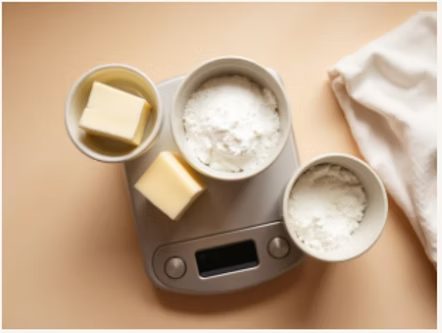
A kitchen scale is the single best upgrade you can make. Cup measurements vary wildly — grams don’t lie. Your cakes will rise more evenly and your cookies will stop being a lottery.
No. 02
Bring ingredients to room temperature
Cold butter won’t cream. Cold eggs will seize a batter. Pull everything out an hour before you start — the emulsion you build is the structure of the final crumb.
No. 03
Read the recipe twice, fully
Before you preheat, before you measure. Half the disasters in baking come from discovering ‘chill for 4 hours’ on step seven.
No. 04
Trust your senses, not just the timer
Ovens lie. A golden edge, a clean skewer, a hollow tap — these are the real signals. Set the timer five minutes early and look.
— Part Two
The Don’ts
No. 01
Don’t open the oven door
Every peek drops the temperature by 25°F and can collapse a soufflé, a sponge, or a soufflé-adjacent dream. Use the oven light. That’s what it’s there for.
No. 02
Don’t substitute on a whim
Baking is chemistry. Swapping baking soda for powder, oil for butter, or self-rising for plain flour will change everything. Make the recipe once as written, then play.
No. 03
Don’t overmix the batter
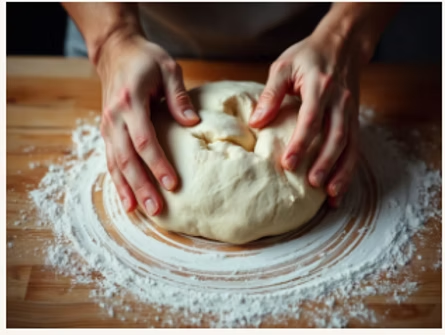
The moment flour hits liquid, gluten begins to form. For cakes and muffins, mix until just combined — lumps are friends. Tough crumb is the price of enthusiasm.
No. 04
Don’t skip the rest
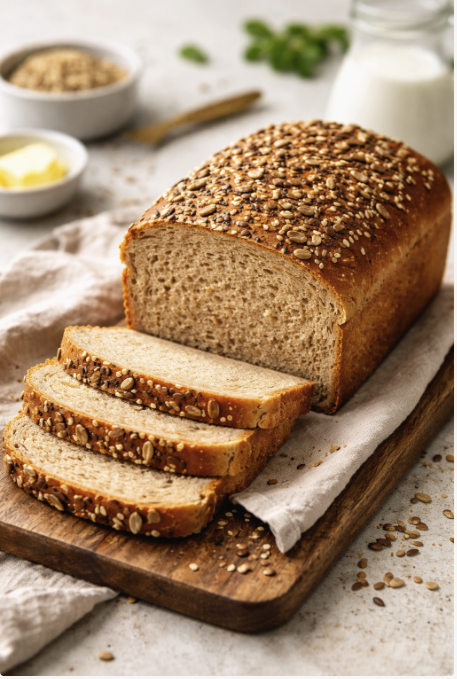
Cookie dough wants a night in the fridge. Bread wants its second rise. Cakes want to cool fully before frosting. Patience is an ingredient.
A final word, with butter on it.
The best bakers I know are not the most talented; they are the most attentive. They notice when the kitchen is humid. They smell the caramel turning a shade too dark. They know that a sunken cake is rarely a tragedy — usually it just wants more time, or less stirring, or a quieter morning.
Bake the same loaf a hundred times. The hundredth will teach you something the first ninety-nine couldn’t. That, more than any rule, is the whole secret.