Essential Cooking Tips Every Beginner Should Know
Cooking can feel overwhelming when you first start. The kitchen is full of unfamiliar tools, ingredients, and techniques. But with a few simple tips, anyone can build confidence and enjoy making delicious meals. This guide shares practical advice to help beginners avoid common mistakes and develop good habits in the kitchen.
Start with Simple Recipes
Choosing easy recipes is the best way to build your skills. Look for dishes with few ingredients and straightforward steps. For example, scrambled eggs, pasta with tomato sauce, or roasted vegetables are great starting points. These recipes teach basic techniques like chopping, sautéing, and boiling without overwhelming you.
Avoid complicated recipes that require many steps or unusual ingredients. As you gain confidence, you can try more complex dishes.
Organize Your Workspace
A tidy kitchen helps you cook more efficiently and safely. Before you start, clear your countertop and gather all the ingredients and tools you need. This practice is called “mise en place,” a French term meaning “everything in its place.”
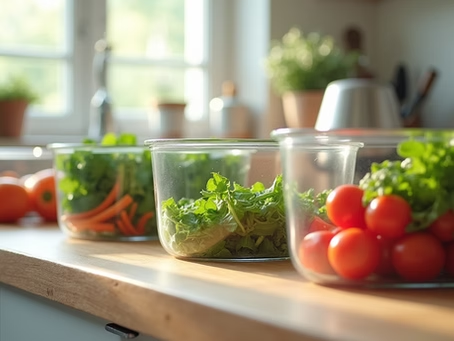
Having everything ready prevents last-minute scrambling and reduces mistakes. For example, measure spices in small bowls before cooking or chop vegetables ahead of time.
Understand Basic Knife Skills
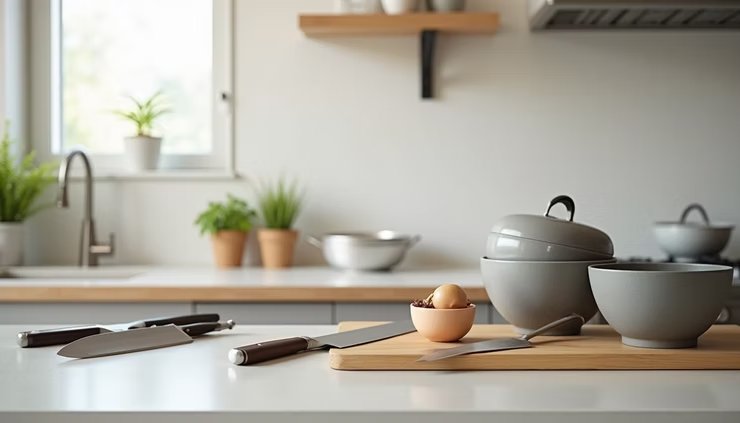
Learning how to use a knife properly improves safety and speed. Always hold the knife firmly and use a stable cutting board. Practice simple cuts like slicing, dicing, and chopping.
Here are some tips:
- Curl your fingers inward on the hand holding the food to avoid cuts.
- Use a rocking motion with the knife for smooth slicing.
- Keep knives sharp; dull knives require more force and increase injury risk.
Investing time in knife skills pays off in better cooking results and confidence.
Pay Attention to Heat Control
Cooking temperature affects how food turns out. Too high heat can burn food on the outside while leaving it raw inside. Too low heat may make food soggy or undercooked.
Learn the difference between low, medium, and high heat on your stove. For example:
- Use medium heat for sautéing vegetables.
- High heat works well for searing meat.
- Low heat is good for simmering sauces or melting butter.
Adjust heat as needed during cooking to avoid overcooking or burning.
Taste as You Go
Tasting your food while cooking helps you adjust seasoning and flavors. Don’t wait until the end to find out it needs salt or spices. Use a clean spoon to sample your dish and add small amounts of seasoning gradually.
This habit improves your dishes and trains your palate to recognize balanced flavors.
Use Fresh Ingredients When Possible
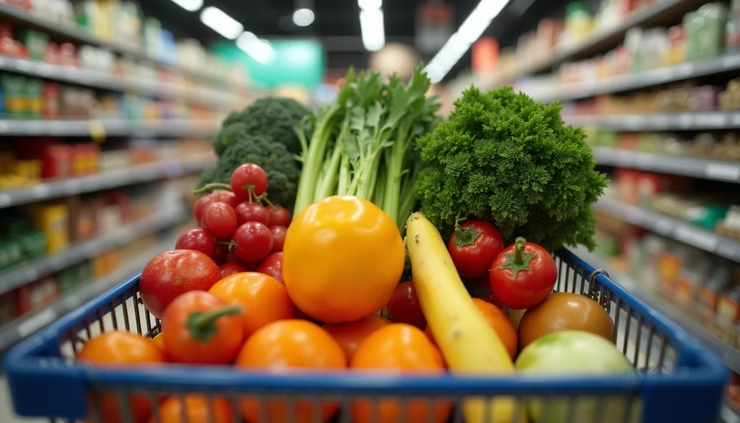
Fresh ingredients often taste better and have more nutrients. Choose fresh vegetables, herbs, and meats when you can. For example, fresh basil adds a bright flavor to pasta sauces compared to dried herbs.
If fresh ingredients are not available, frozen vegetables are a good alternative because they retain most nutrients and flavor.
Learn to Read Recipes Carefully
Recipes are guides, but they require attention to detail. Read the entire recipe before starting to understand the steps and timing. Note any special equipment or ingredients you might need.
Pay attention to cooking times and temperatures. For example, baking times vary depending on oven type and altitude, so check food early to avoid overcooking.
Practice Proper Food Safety
Food safety is crucial to prevent illness. Follow these basic rules:
- Wash hands thoroughly before and after handling raw meat or eggs.
- Use separate cutting boards for raw meat and vegetables.
- Cook meat to the recommended internal temperature.
- Store leftovers promptly in the refrigerator.
These habits protect your health and keep your kitchen clean.
Master Basic Cooking Techniques
Familiarize yourself with common cooking methods. Here are a few to start with:
- Boiling: Cooking food in rapidly bubbling water, good for pasta and vegetables.
- Sautéing: Cooking food quickly in a small amount of oil over medium-high heat.
- Roasting: Cooking food in the oven with dry heat, ideal for meats and root vegetables.
- Simmering: Cooking food gently in liquid just below boiling point, perfect for soups and stews.
Understanding these techniques helps you follow recipes and experiment with your own ideas.
Keep Your Kitchen Tools Clean and Maintained
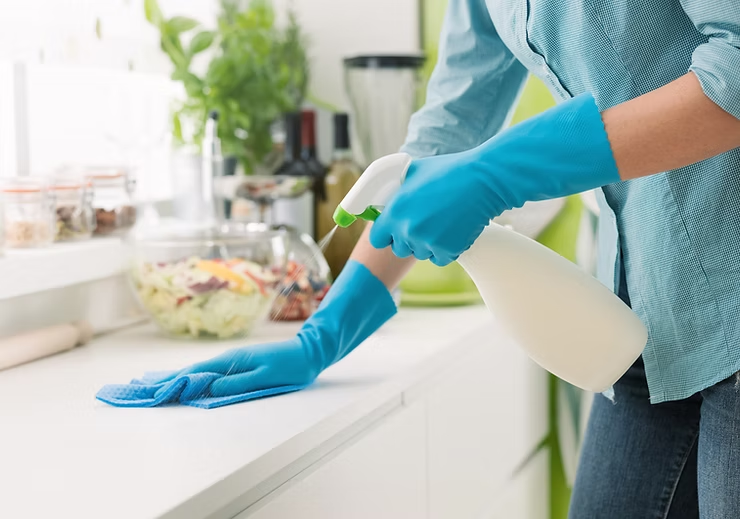
Clean tools work better and last longer. Wash knives, cutting boards, and utensils after each use. Sharpen knives regularly and replace worn-out items.
For example, a dull knife can slip and cause injury, while a clean cutting board prevents cross-contamination.
Experiment and Have Fun
Cooking is a skill that improves with practice. Don’t be afraid to try new ingredients or tweak recipes to suit your taste. Mistakes are part of learning. If a dish doesn’t turn out as expected, think about what you can adjust next time.
Enjoy the process and celebrate small successes. Cooking can become a rewarding and creative hobby.